What matters for a Holyrood visit
The palace sits at the bottom of the Royal Mile, at the Canongate end. That makes the Old Town the closest base, but closeness is not the only factor. Think about how you will arrive, whether you will carry luggage over steep streets, and how much evening noise you can tolerate.
You will not need a car. Our getting there guide explains why driving is more trouble than it is worth.
The Old Town: Royal Mile, Canongate and Grassmarket
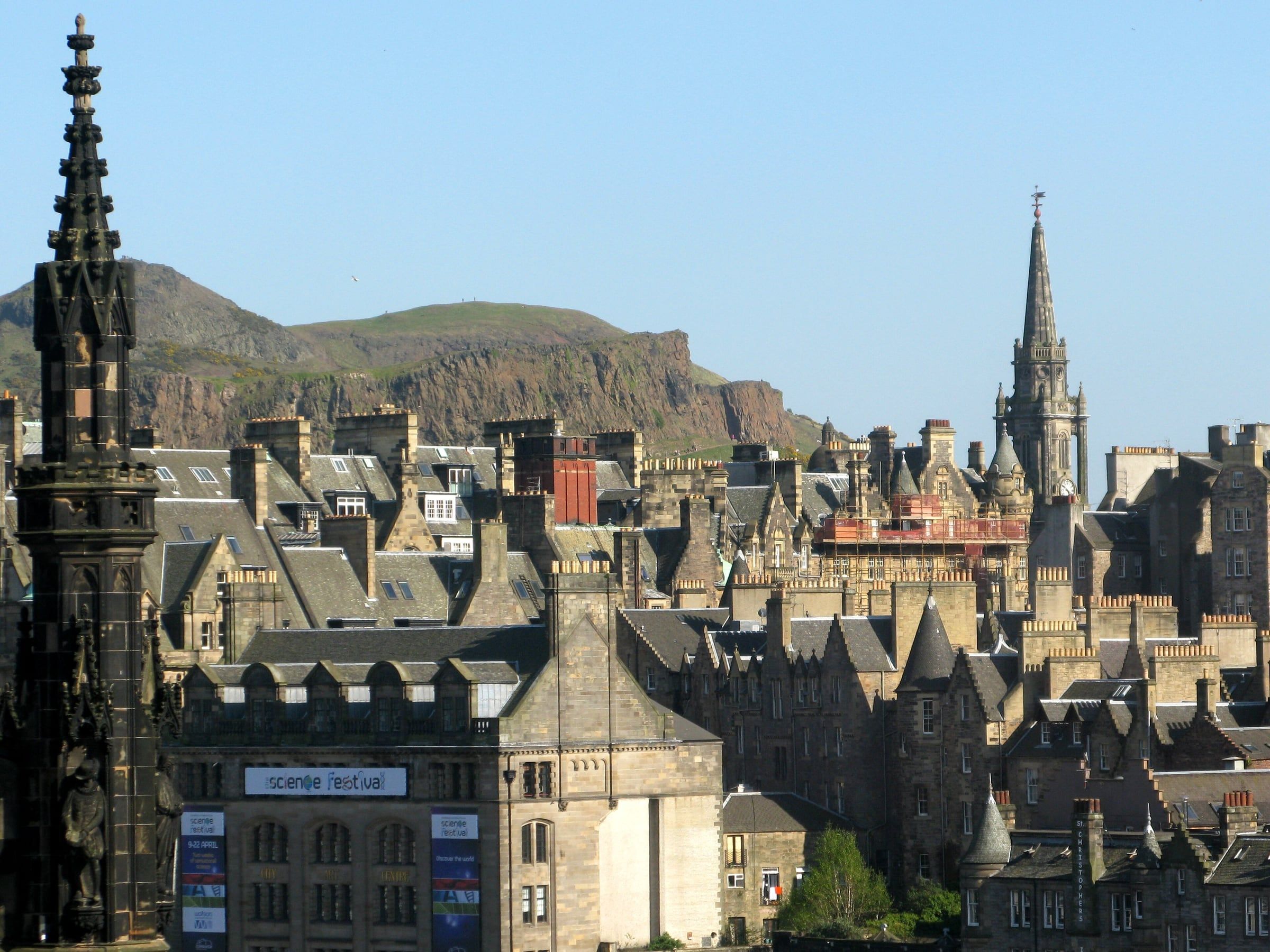
The Old Town is the medieval core of Edinburgh. It has steep, narrow lanes called closes, tall tenement buildings and a street plan that goes back centuries. Together with the New Town it forms a UNESCO World Heritage Site, listed in 1995.
Pros. The Royal Mile is almost exactly one mile long and runs downhill from the castle to the palace, so staying on it puts the sights outside your door. The Canongate, the eastern stretch near the palace, is less densely built than the rest of the Old Town, and it is the shortest walk to Holyrood. The Scottish Parliament, opposite the palace, describes itself as a 15-minute walk from Waverley station.
Cons. The closes are steep, and many buildings are multi-storey tenements. Check for lifts and step-free access if you have heavy bags or limited mobility. The Grassmarket sits at the western end of the Old Town, so it is the furthest of the three from the palace. In festival season, performers gather on the High Street and Hunter Square, which suits some guests and not others.
Best for: first-time visitors who want to walk everywhere. See our Royal Mile guide for what lies along the street.
The New Town
The New Town is the planned Georgian district north of the Old Town. It was built in stages from 1767 to around 1850, and its main streets are Princes Street, George Street and Queen Street.
Pros. Waverley station sits between the two towns, and the tram stops at Princes Street and St Andrew Square. St Andrew Square is about 250 metres from the station entrance, according to Network Rail. The tram runs on to the airport, so this is the easiest base if you arrive by air.
Cons. The Royal Mile is not on your doorstep. The Parliament puts the walk from Waverley to the palace area at about 15 minutes, and streets further into the New Town are further still.
Best for: short stays, airport connections and travellers who prefer straight, level streets.
Leith
Leith is the port district on the north side of the city, at the mouth of the Water of Leith. Its waterfront, The Shore, has pubs and restaurants, and Ocean Terminal is a shopping centre beside the Royal Yacht Britannia.
Pros. Service 35 gives Leith a direct link to the palace. In the 2025 timetable, the trip from Ocean Terminal to the Holyrood stop took roughly 20 to 25 minutes in the daytime. The tram stops at Foot of the Walk, The Shore, Port of Leith, Ocean Terminal and Newhaven, and the airport is a single tram ride away. The operator gives the full run from the airport to Newhaven as about 55 minutes.
Cons. You are a bus or tram ride from the Royal Mile, so an evening in the Old Town means a trip back. The last tram leaves Newhaven at 23:56, according to the operator, so check late departures before you plan a night out.
Best for: longer stays, travellers who like a waterfront setting and visitors flying in and out of Edinburgh Airport.
Southside and Newington
Newington lies south of the city centre, roughly 1 to 2.5 miles (1.5 to 4 km) out. It is mostly residential, with Georgian terraces and Victorian villas. Guest houses are concentrated along Minto Street, and the main roads are Dalkeith Road and Newington Road.
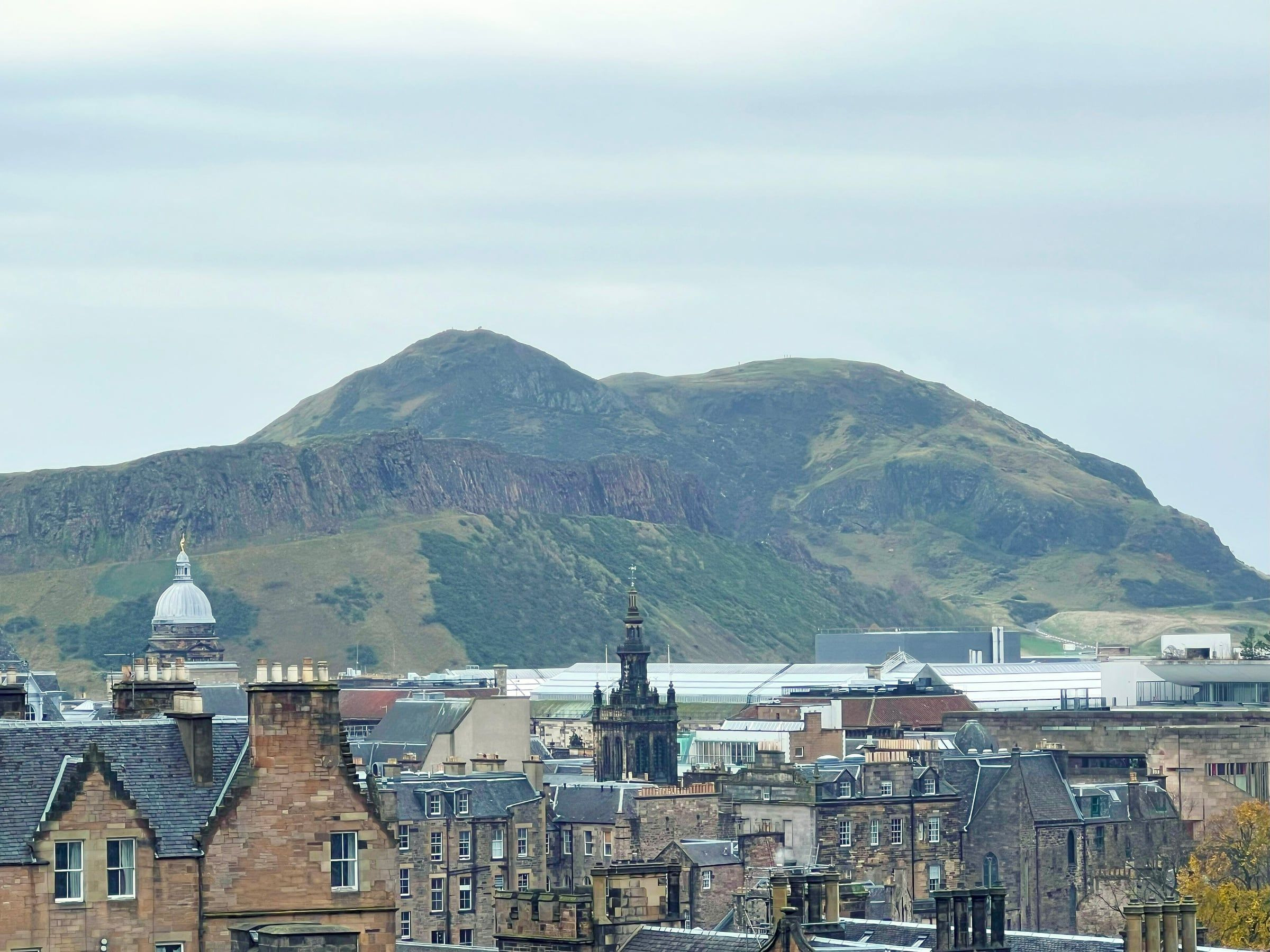
Pros. Arthur’s Seat is visible from the higher ground in the north of the district, and Lothian lists services 2, 14, 30 and 33 as serving the Royal Commonwealth Pool stop, a short walk from Holyrood Park Hill. This area works well if the hill matters as much to you as the palace. Check the Lothian journey planner for the bus nearest your door. See our Arthur’s Seat guide.
Cons. At 1 to 2.5 miles from the centre, you will rely on buses or a long walk to reach the Royal Mile.
Best for: walkers, repeat visitors and travellers who want a residential feel.
The visitor levy
Edinburgh introduced a visitor levy on overnight stays. The City of Edinburgh Council’s scheme sets it at 5%, payable for a maximum of five consecutive nights. It applies to overnight stays from 24 July 2026, but only for bookings made on or after 1 October 2025.
It covers hotels and hostels, guest houses and bed and breakfasts, self-catering including short-term lets, and paid pitches on campsites and caravan sites. When you compare prices, check whether the figure you are quoted includes the levy. Read the council’s scheme page for the rules.
Booking around the festivals
Edinburgh Festival City, a visitor site for the city’s festivals, advises planning as far ahead as possible, particularly for the busy August festival season and for Hogmanay. It says early booking helps you get the best rates and central locations. It gives no figure for how far prices rise, so treat any number you see elsewhere with caution.
If you are travelling in August, read when to visit first. The same site notes that hostels offer good value for solo festival-goers, and advises checking that a short-term let host is verified to avoid scams.
When you have chosen a base, tickets and tours explains how to book the palace itself.