Palace of Holyroodhouse Entry Ticket
Entry to the palace and abbey; the most-reviewed Holyrood product on GetYourGuide
From £22
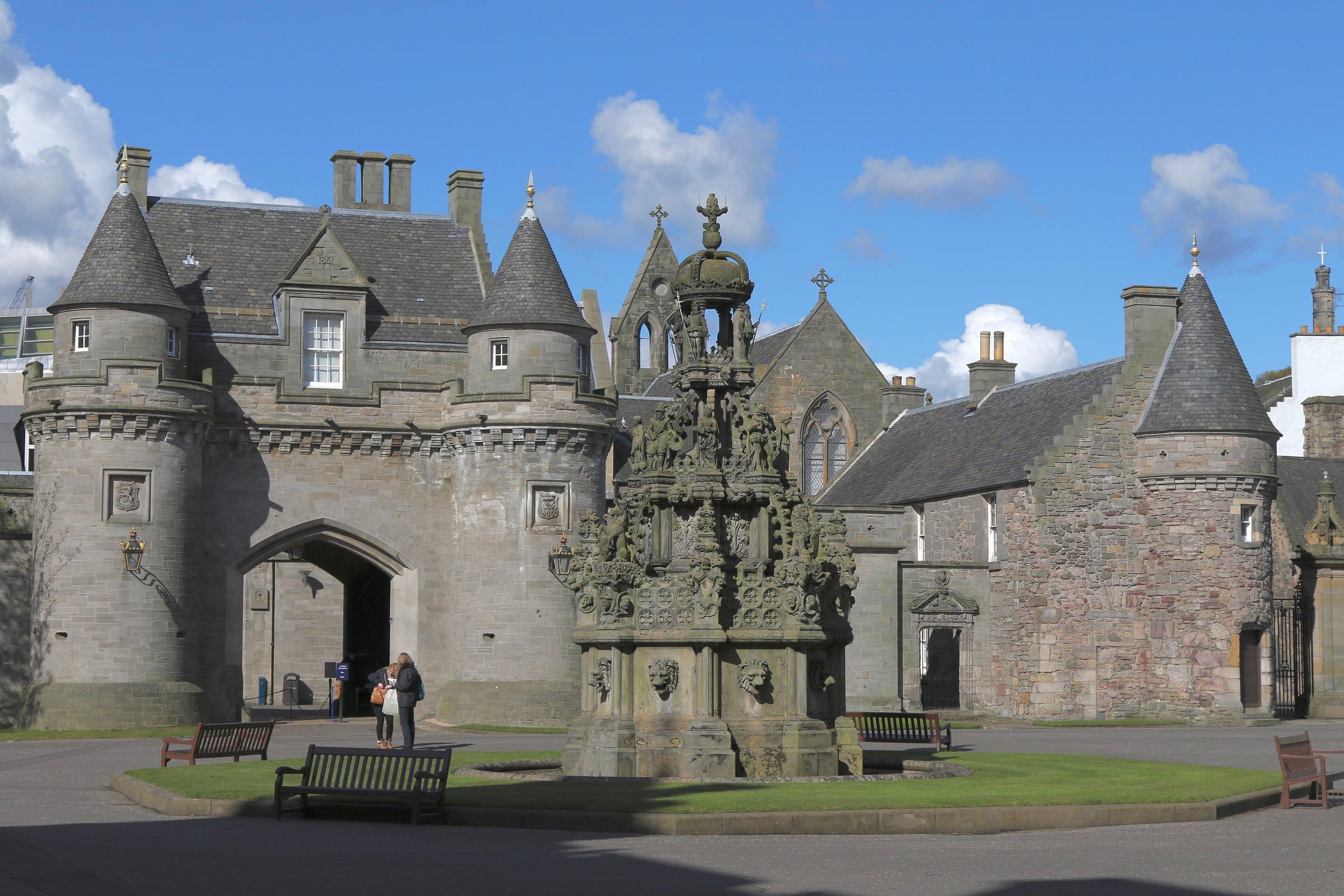
Holyrood is the King's official residence in Scotland, at the bottom of the Royal Mile. You can tour the State Apartments, Mary, Queen of Scots' rooms, the abbey ruins and the gardens, except when the royal family is in residence.
Entry to the palace and abbey; the most-reviewed Holyrood product on GetYourGuide
From £22
Bundles royal attractions with two days of hop-on hop-off buses
From £81
The most-reviewed castle tour that includes entry
From £35
We earn a commission if you book through these links, at no extra cost to you (disclosure). Prices, ratings and review counts are from GetYourGuide, checked 14 October 2026. They change often, so check the live price before you book.
The Palace of Holyroodhouse, usually shortened to Holyrood, is the King’s official residence in Scotland. It stands at the bottom of the Royal Mile in Edinburgh, at the opposite end from Edinburgh Castle.
The site has had royal buildings for nearly 900 years. David I founded Holyrood Abbey in 1128, and James IV built a palace beside it in the early 1500s. Charles II had the palace rebuilt between 1671 and 1678, and what you walk through today is mostly that rebuild with an older tower attached. What to see inside Holyrood goes room by room.
This is an independent guide. We do not run the palace or sell its tickets ourselves. The Royal Collection Trust handles visits, and Royal Collection Trust: Palace of Holyroodhouse is where to confirm opening times and prices.
Three things make Holyrood worth a morning.
Mary, Queen of Scots. She lived in the palace’s oldest tower from 1561 to 1567, and her private secretary David Rizzio was murdered in her rooms on 9 March 1566. You can climb to those rooms on your visit.
A palace that is still used. The State Apartments host ceremonies and official events, so the Throne Room and the Great Gallery are working rooms, not reconstructions. The Great Gallery is the palace’s largest room, hung with portraits of Scottish monarchs that Charles II commissioned.
The abbey ruins and gardens. The roofless abbey nave sits beside the palace, and the gardens have views towards Holyrood Park. Both are part of the same ticket, though the abbey and gardens are occasionally closed, so check the visitor page.
One ticket from the Royal Collection Trust covers four things, plus a free multimedia guide:
The Café at the Palace sits in the Mews Courtyard, and you can use it without a ticket. The King’s Gallery, a separate exhibition space beside the palace entrance, has its own ticket. You cannot take photographs in the State Apartments, and bags larger than 45cm by 20cm by 30cm are not allowed in. Visiting Holyrood has the rest of the practical rules.
The oldest part still standing is the north-west tower, which James V began in 1528. Mary, Queen of Scots had her rooms on its second floor. It is the oldest surviving part of the palace.
In 1745 Bonnie Prince Charlie held balls in the Great Gallery while he occupied the building. Since 1834 the Lord High Commissioner to the General Assembly of the Church of Scotland has stayed here for a week each year while the Assembly meets. In September 2022 the coffin of Queen Elizabeth II lay in the Throne Room.
The abbey did not fare as well. Its choir and transepts were pulled down in 1570, and the roof of the nave collapsed in 1768. The ruin you see next to the palace is what is left.
Yes, as long as you expect a house and not a fortress. Holyrood is smaller and quieter than the castle at the top of the Royal Mile, and its draw is the human story rather than the military one.
If you have a single day and must choose, here is the plain comparison. The castle holds the Honours of Scotland, Mons Meg and the Scottish National War Memorial, according to its own site. Holyrood has Mary’s chambers, the state rooms and the abbey. They are about a mile apart, which makes them easy to combine. See our Edinburgh Castle guide for the other half.
Tickets. The simplest route is the Royal Collection Trust’s own site, where an adult ticket costs £22 in advance and £26 on the day. Booked directly, it can be converted to a 1-Year Pass. We earn a commission on GetYourGuide bookings made through this site, and nothing on tickets bought from the Trust, so for a plain palace visit we suggest buying direct. Booking ahead saves an adult £4. Our tickets page compares that with the GetYourGuide palace ticket (priced about the same), guided tours and the Royal Edinburgh Ticket, which bundles Edinburgh Castle, the palace and the Royal Yacht Britannia.
When it is open. Usually Thursday to Monday, from 9:30am. It closes at 6pm until the end of October and at 4:30pm from November to March. It is shut from 24 to 26 December 2026, and it also closes for royal events such as Holyrood Week. Visiting Holyrood has the details, and we never guess closure dates.
How long. Allow about two hours. The multimedia guide takes around an hour.
Getting there and staying. The palace is at the foot of the Royal Mile. Our getting there page covers routes, and where to stay lists areas that put you close to the Old Town. For timing, see best time to visit.
Holyrood works best as the end of a walk, or the start of one.
The Royal Mile. The street runs downhill from Edinburgh Castle to the palace, about a mile long. Its sections have different names, from Castlehill and the Lawnmarket to the High Street and the Canongate. St Giles’ Cathedral and the Camera Obscura are on the way. Our Royal Mile guide covers what to stop for.
The Scottish Parliament. Its building is on the Canongate, on the way down to the palace. See the Scottish Parliament page for visiting it.
Holyrood Park and Arthur’s Seat. The park behind the palace is dominated by Arthur’s Seat, the remains of a volcano that erupted around 340 million years ago, according to Historic Environment Scotland. Walkers use it for views over the city. Read the Arthur’s Seat guide before you set off.
More nearby. Calton Hill, Dynamic Earth and the National Museum of Scotland are the other sights people pair with the palace. The full list is on the nearby page, and the Edinburgh tours page covers walks and guided visits.
An adult ticket costs £22 booked in advance and £26 on the day, with lower prices for young people and children (Royal Collection Trust, checked October 2026). The multimedia guide is included.
The free multimedia guide lasts about an hour. Allow about two hours if you also want the abbey ruins, the gardens and a stop at the café.
Yes, if you want a royal home with a long Scottish story: Mary, Queen of Scots' rooms, the State Apartments and the ruined abbey. It is a house rather than a fortress, so it suits a morning or an afternoon.
No. Public access stops while the royal family is in residence, most notably for Holyrood Week at the turn of June and July. Check the Royal Collection Trust's closure list before you book.
If you only have time for one, the castle is a fortress with the Honours of Scotland, while Holyrood is a royal home with Mary, Queen of Scots' rooms. The Royal Mile links them at about a mile apart, so many visitors do both.
Not every day. The Royal Collection Trust says it is usually closed on Tuesdays and Wednesdays (checked October 2026), and it also closes for royal events, so look at the visitor page first.
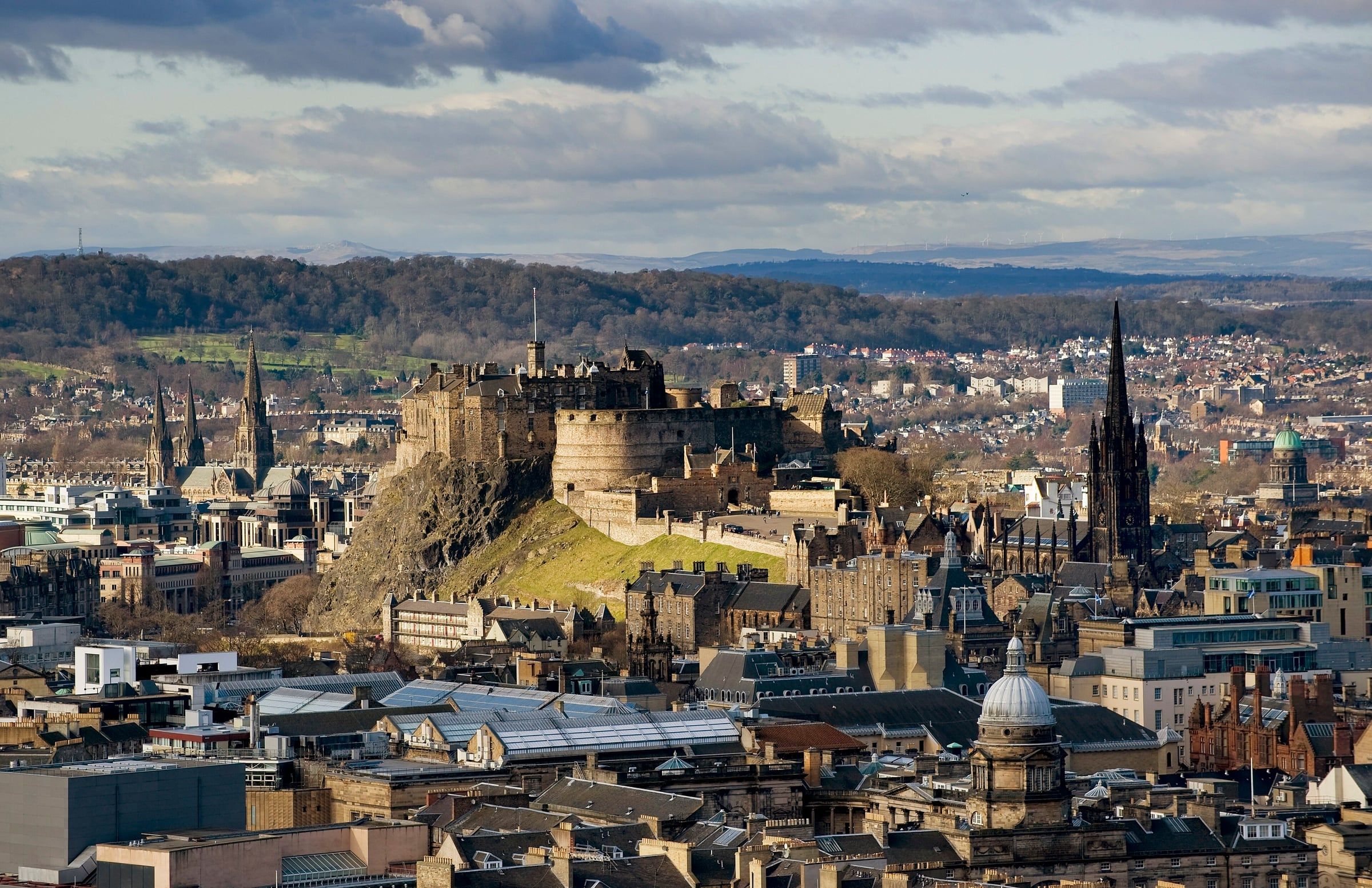
The fortress at the top of the Royal Mile, with the Honours of Scotland and the 1pm gun. Book ahead and allow at least an hour.
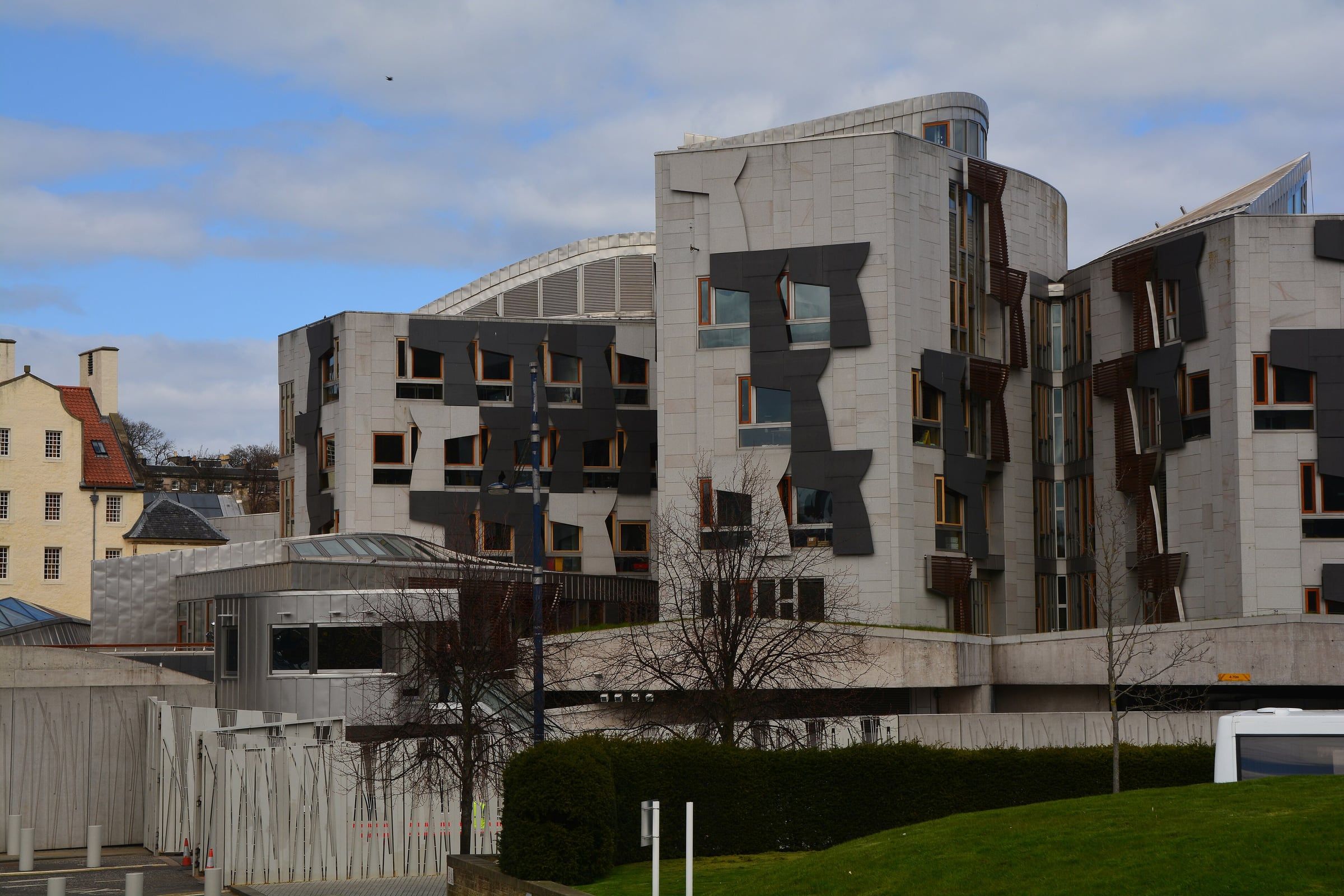
A free working parliament opposite the palace, with free tours, an exhibition and a café. You do not need to book to walk in.
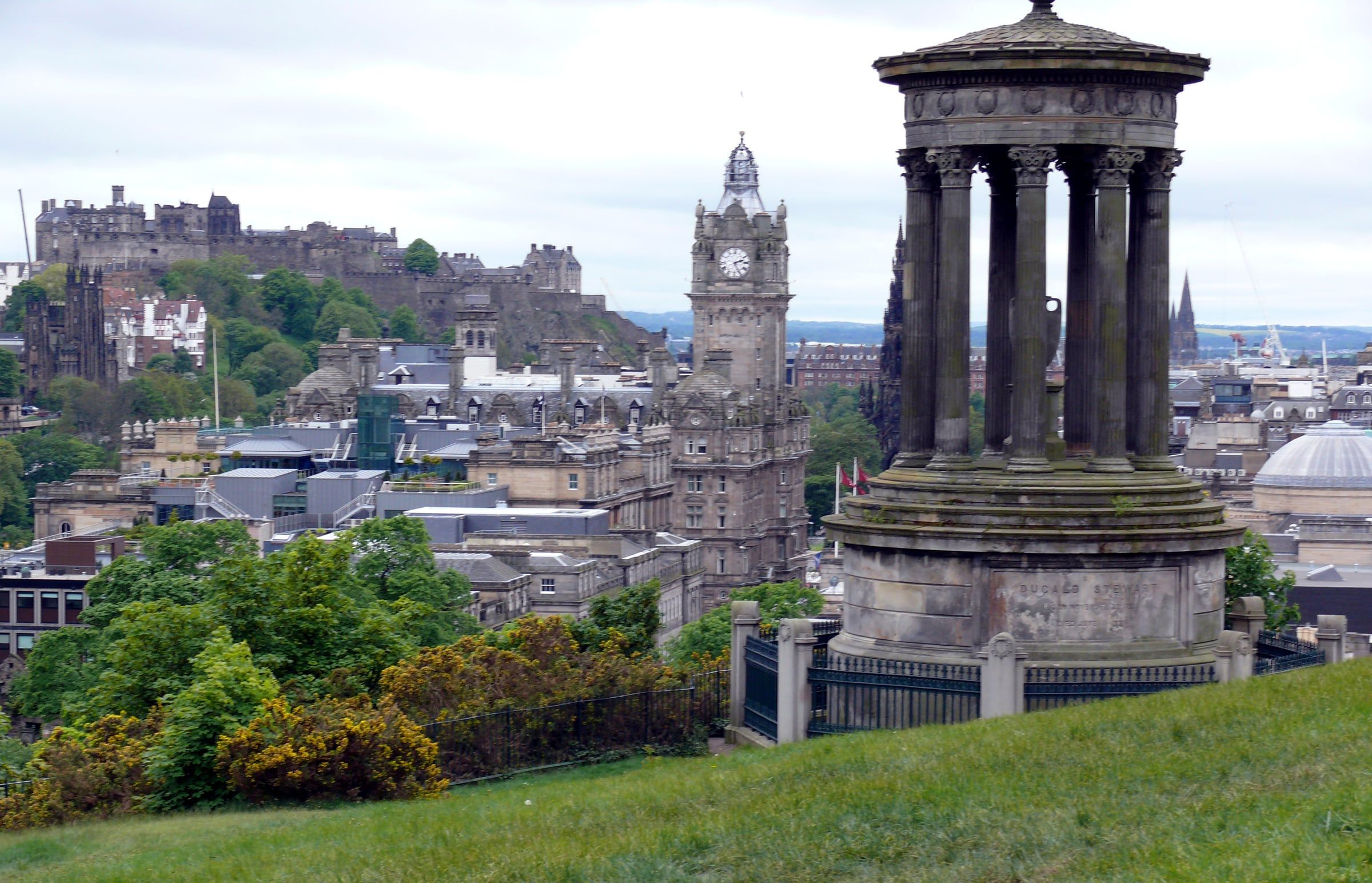
A free hilltop of monuments with wide views over the city, Arthur's Seat and Fife. The Nelson Monument tower adds a paid viewing platform.
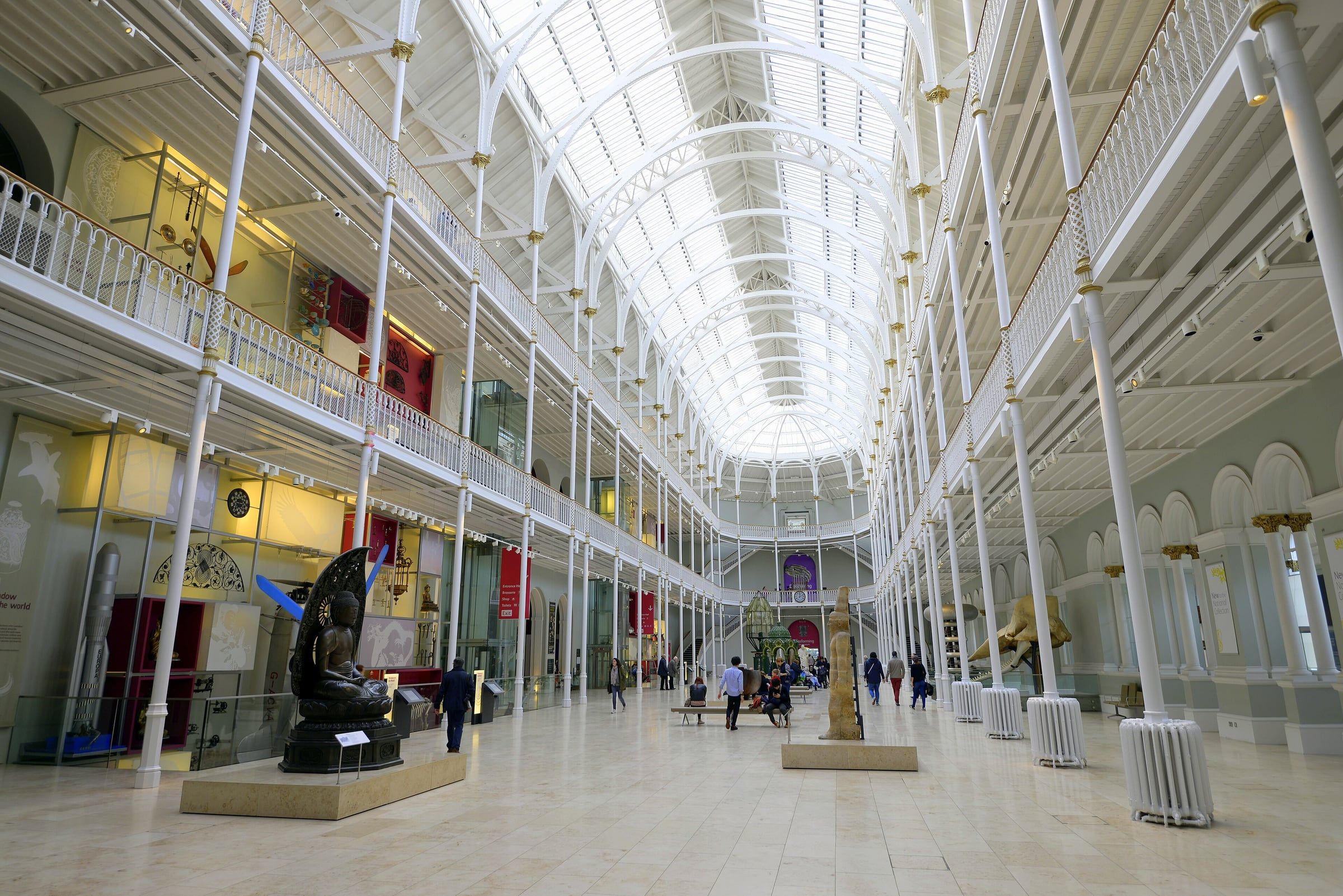
Scotland's most visited attraction in 2025, and free to enter. Dolly the Sheep, the Lewis chess pieces and a roof terrace with a castle view.
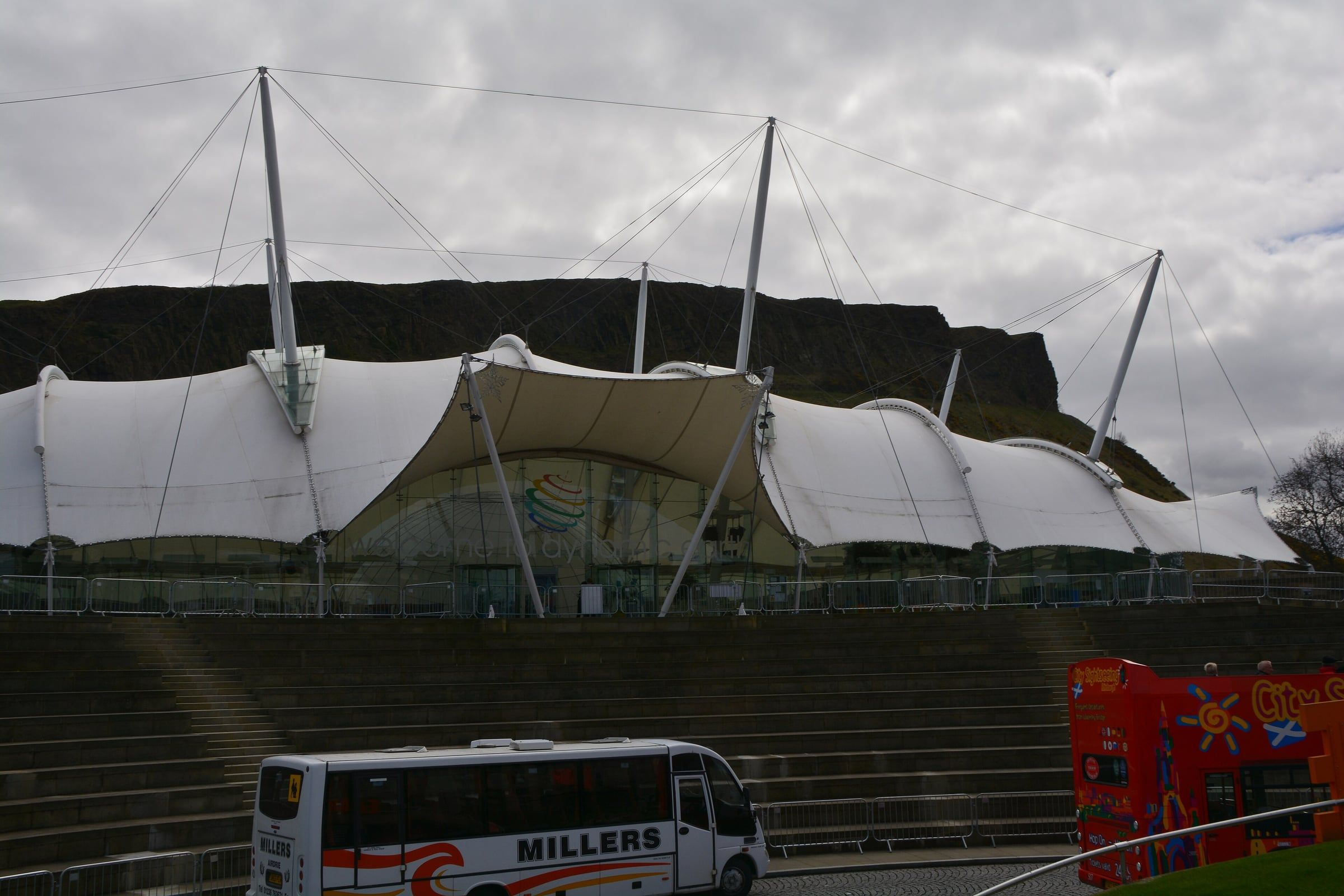
A science centre and planetarium next to the palace and Parliament. Every ticket is a 12-month pass, and under-4s go free.
Compare Holyrood Palace tickets, skip-the-line entry and guided tours in one place.
Book tickets